

Reverse parking can feel like one of the toughest challenges in a driving test. It requires you to stay focused, control your car precisely, and keep cool, all while knowing your examiner is carefully observing.
The good news? With a bit of preparation and regular practice, you can turn this tricky manoeuvre into something you do with confidence.
This guide is here to help you master reverse parking, so you can approach your test feeling ready and self-assured.

Preparing Your Vehicle for Reverse Parking
Before attempting reverse parking, make sure your car is set up properly. Start by adjusting your seat and mirrors. You should have a clear view of the road behind you and the area around your car. The side mirrors should give you a good look at the rear tyres and the curb.
If you’re driving an unfamiliar car, take a moment to understand its dimensions. Knowing the size and shape of your car will help you judge gaps better. Pay attention to blind spots, too. It’s always worth a quick double-check over your shoulder.
Key Techniques for Successful Reverse Parking
Mastering reverse parking takes practice, but with the right techniques, it can become second nature. Whether it’s parallel parking on the street or reverse bay parking at a shopping centre, these methods will help you park safely and confidently.
Parallel Parking
Parallel parking may seem tricky at first, but breaking it into simple steps makes it manageable:
Steps for Perfect Parallel Parking:
| Step | Description |
|---|---|
| Check the Parking Space | Ensure the space is large enough for your car to fit comfortably without hitting surrounding vehicles. |
| Signal and Use Your Mirrors | Signal left to indicate your intention to park. Adjust mirrors for full visibility, especially at the rear. |
| Position Next to the Parked Car | Align your car parallel to the vehicle in front, leaving about 2-3 feet of space. Stop when your car is level with the other vehicle’s rear bumper. |
| Use the Rear Bumper as a Reference | Use the rear bumper of the parked car in front as a guide point for when to start turning the steering wheel. |
| Reverse Slowly | Reverse slowly at a walking pace, maintaining control and avoiding oversteering. |


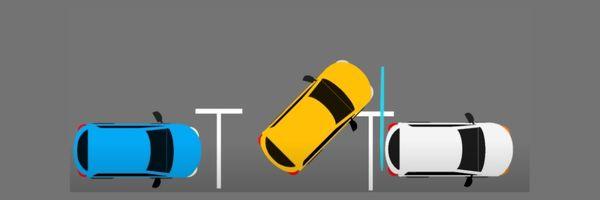
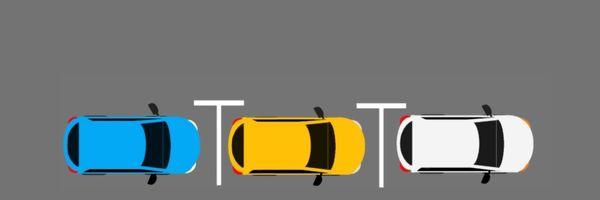
Take your time and avoid rushing. Precision is more important than speed for successful parallel parking.
Reverse Bay Parking
Reverse bay parking is another essential skill, especially in car parks with narrow spaces. Follow these steps:
| Step | Description |
|---|---|
| Position Your Car | Drive slowly and position your car a few metres from the parking space, ensuring your vehicle is aligned with the bay. |
| Begin Reversing | Start reversing slowly into the space while keeping your steering wheel straight. Use your mirrors to guide you. |
| Adjust Your Angle | Once your car is partly in the space, turn the steering wheel sharply to align your car correctly within the bay. |
| Straighten the Wheel | As your car moves fully into the space, straighten the wheel to ensure the vehicle is parked neatly and centered in the bay. |
| Complete the Parking | Finish reversing until your car is fully inside the lines of the parking bay. Check your positioning and adjust if needed. |
By moving slowly and making small adjustments, you’ll have better control and reduce the chance of errors.
Always remember that slow and steady wins the race when it comes to reverse parking. A calm and focused approach ensures you park safely and confidently every time.
Common Mistakes to Avoid While Reversing
Even experienced drivers can make mistakes while reversing, especially under pressure. Avoiding these common errors will not only improve your reverse parking skills but also boost your confidence behind the wheel.
- Oversteering: Turning the steering wheel too sharply can cause your car to veer off course. Make small, controlled adjustments instead of big, abrupt turns.
- Forgetting to Check Mirrors: Your mirrors are your best friends when reversing. Regularly check them along with your blind spots to stay aware of your surroundings.
- Rushing: Reversing is not about speed. Moving too quickly can lead to errors that are harder to fix. Slow and steady movements give you more control.
- Panicking After a Mistake: Everyone makes mistakes while reversing. If you go off course, don’t panic. Stop, take a deep breath, and calmly adjust your position. Examiners value composure and controlled corrections.
Reversing is all about staying calm, being aware, and taking your time. Avoiding these mistakes will help you reverse them confidently, whether you’re practising for your test or parking in real-life situations.
READ MORE: Driving Tips for Passing Your Test
Practising Reverse Parking in Different Scenarios
Reverse parking is a skill that becomes easier with regular practice in a variety of settings. To prepare for real-world driving and your test, it’s essential to build your confidence in different situations.
- Start in Open Spaces: Begin in an empty car park to learn the basics. With no distractions or pressure, you can focus on understanding how your car moves when reversing and practice aligning it with parking lines.
- Progress to Busier Areas: Once you’re confident, move to more challenging spots like crowded shopping centres or narrow streets. These environments help you practice dealing with tight spaces and other parked cars around you.
- Practice on Uneven Surfaces: Find areas with slight slopes or uneven ground. This will teach you how to control your car when reversing uphill or downhill, a valuable skill in real-life scenarios.
- Try Night-Time Practice: Parking at night presents a unique challenge due to limited visibility. Use this opportunity to practice relying on your car’s lights and mirrors while staying aware of your surroundings.
- Adapt to Weather Conditions: Reversing in rain or fog can be tricky. Practising in these conditions will help you stay calm and manage your car when visibility is reduced or the ground is slippery.
- Simulate Test Conditions: Create mock driving test situations by parking in spaces that are similar to what you might face in your test, such as tight parallel spots or angled bays.
The more scenarios you practice in, the better prepared you’ll be for any parking challenge during your test or daily driving lessons. Start with the basics and gradually take on more difficult situations.
Tips for Staying Calm During the Test
Staying calm during your driving test is just as important as mastering the techniques. A clear mind helps you think better, act more confidently, and handle any challenges smoothly. If you’re feeling nervous, these simple strategies can help:
- Breathe Slowly and Steadily: Nervousness often leads to shallow breathing. Take deep, slow breaths to calm your nerves and steady your hands. Inhale deeply through your nose, hold for a moment, and exhale slowly. This will help you focus and feel more in control.
- Focus on the Process: Instead of worrying about passing or failing, break down the task into small, manageable steps. For example, think about positioning your car, checking your mirrors, and moving slowly. By focusing on what you’re doing right now, you can block out distractions and stay present.
- Visualise Success: Take a moment to picture yourself completing the manoeuvre perfectly. Imagine your car sliding into the spot with ease. Positive visualisation can boost your confidence and help you feel more prepared.
- Accept Mistakes as Part of Learning: Remind yourself that it’s okay to make small mistakes—they won’t automatically lead to failure. If something doesn’t go as planned, stay calm, fix it, and keep going. Showing the ability to recover calmly is just as important as getting it right the first time.
- Use the Waiting Time Wisely: If you’re waiting in the car or for your turn, use that time to practice controlled breathing or mentally rehearse your parking steps. Avoid checking your phone or overthinking, as these can increase stress.
Remember, the examiner isn’t looking for perfection but for signs that you can handle the car safely and responsibly. Stay calm, trust in your preparation, and take it one step at a time. A relaxed and focused mindset will help you perform your best and ace the test.
– Expert Driving Instructor
READ MORE: What Happens If You Fail Your Driving Test in Victoria?
The Importance of Reverse Parking
Reverse parking is an important skill drivers use in everyday situations, like parking on a busy street or fitting into a tight space at the shops. It helps you park safely and confidently in different environments.
In a driving test, reverse parking shows that you can handle the car with control and accuracy. It also shows you are aware of your surroundings and can stay calm in challenging situations. These skills are essential for safe driving.
What Examiners Look for in Reverse Parking
When it comes to reverse parking during your driving test, examiners are looking for specific skills to ensure you can park safely and accurately. It’s not about perfection, but rather demonstrating control, awareness, and accuracy in your manoeuvres. Here’s what they’ll be checking:
- Control: They want to see smooth steering and braking. Sudden or jerky movements can signal a lack of control, so aim for smooth, steady actions.
- Observation: Examiners expect you to check your mirrors regularly and be aware of blind spots. Staying aware of your surroundings is crucial for safe parking.
- Accuracy: Parking neatly within the lines or close to the curb is important. If you’re too far from the curb or taking up two spaces, it could be a concern.
While perfect parking isn’t the goal, the examiner wants to see that you can make small adjustments if needed and do so safely.
Explore Our Driving Test Program Across Victoria’s Areas:
- Driving test in Carlton
- Driving test in Dromana
- Driving test in Frankston
- Driving test in Heatherton
- Driving test in Mitcham
- Driving test in Morwell
- Driving test in Warragul
- Driving test in Pakenham
Mastering Reverse Parking Skills
Building confidence takes time. Dedicate regular practice sessions to reverse parking. You can also try using cones or markers to simulate parking spaces.
If you’re struggling, consider asking a driving instructor for help. They can provide personalised tips and feedback to improve your technique.
Conclusion
Reverse parking might seem tricky, but with preparation and practice, you can handle it like a pro. Remember to set up your car properly, take your time, and focus on accuracy. Stay calm during your test, and don’t be afraid to make small corrections if needed.
With patience and persistence, you’ll not only pass your test but also become a more confident driver.
FAQ
Q: What should I do if I misjudge the parking space during the test?
A: Stay calm and adjust your position. Examiners are more interested in how you handle mistakes than in avoiding them entirely.
Q: Can I fail the test if I touch the curb while parallel parking?
A: A gentle touch isn’t usually a fail, but mounting the curb might be. Always aim for smooth control.
Q: How can I practice reverse parking without a car?
A: Use a parking simulator app or watch tutorial videos to understand the technique.
Q: What if I feel nervous during the test?
A: Take deep breaths and focus on each step. It’s normal to feel nervous, but staying composed will help you perform better.