

In today’s world, automatic cars are everywhere. They’re convenient, easy to drive, and perfect for most people. But have you ever thought about learning to drive a manual car? It may seem old-fashioned, but manual driving lessons still offer some great benefits.
Whether you’re looking for better control, a challenge, or even saving money, driving a manual car could be more useful than you think.
How Manual Driving Lessons Can Be Helpful
Manual driving lessons are a great way to get more involved in your driving experience. Sure, it can be a bit tricky at first, especially if you’ve only ever driven automatic cars. But once you get the hang of it, the benefits are clear. Learning to drive a manual car isn’t just about mastering the gears; it’s about gaining a deeper connection with your vehicle and staying more alert on the road.
Unlike an automatic driving lesson, where the car does most of the thinking for you, a manual car forces you to focus more. You’re constantly aware of what’s going on with the engine, the gears, and the road. This increased focus can help you avoid distractions and stay in control of your driving. Plus, you’ll feel a sense of accomplishment when you master the art of changing gears smoothly. It’s a skill you’ll never forget.
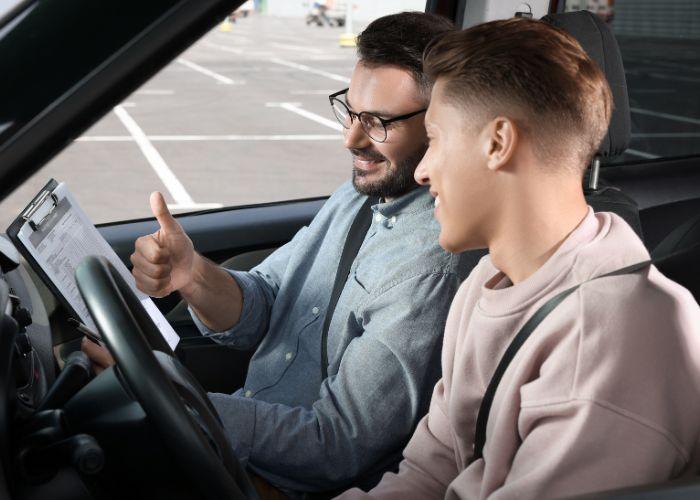
Check:
Manual Driving Lessons in Pakenham, Manual Driving Lessons in Melbourne
Top Reasons to Learn Manual Driving Lessons
#1. Better Control of Your Vehicle
One of the main reasons people choose to learn how to drive a manual car is the control it offers. When you drive a manual, you’re in charge of when and how the car shifts gears. This can make a big difference, especially in tricky driving conditions.
Whether you’re driving uphill, in heavy traffic, or on a windy road, having the ability to control your gears gives you an advantage. It also means you’re more engaged in the driving process, making you a safer driver.
#2. Fuel Efficiency
Although automatic cars are getting better when it comes to fuel efficiency, manual cars still have an edge—especially with older models. Manual cars tend to be lighter and have fewer moving parts, which can lead to better fuel efficiency.
If you’re looking to save some money on fuel or you’ve got your eye on an older car, learning to drive a manual could be the smart choice.
#3. Cheaper to Buy and Maintain
When it comes to cost, manual cars often beat their automatic counterparts. The initial price is usually lower, and they tend to be cheaper to maintain and repair. With fewer parts and less complexity, manual transmissions are easier and less expensive to fix. So, if you’re on a budget or looking to save some cash, a manual car could be a great option.
#4. It Keeps You Focused
Driving a manual car requires more attention. You’re constantly shifting gears, adjusting speed, and anticipating the car’s movements. This helps you stay alert on the road and can even prevent bad habits like texting or snacking while driving. In a world full of distractions, the driving manual forces you to focus, which can make you a safer and more responsible driver.
#5. Gives You More Driving Options
Ever dream of owning a cool, classic car or a sports car? A lot of these cars come with manual transmissions. Learning to drive a manual gives you the freedom to drive a wider range of vehicles. Whether it’s a retro car or a powerful sports model, knowing how to drive a manual opens up more choices when it comes to purchasing a vehicle.
#6. The Challenge Factor
Let’s face it—driving an automatic is easy. But, where’s the fun in that? Learning how to drive a manual car is a challenge, and challenges are fun! It pushes you to be a better driver. Sure, it can be frustrating at first, but the satisfaction of mastering it makes it all worth it. Plus, it’s a cool party trick to show off to your mates.
READ MORE: Manual vs Automatic Driving Lessons: Which One Should You Choose?
FAQs
Q: Is it hard to learn how to drive a manual car?
A: It can be a bit tricky at first, especially if you’re used to automatic cars. The key is practice and patience. Once you get used to the clutch and gears, it becomes second nature. A good driving instructor will help make the process smoother.
Q: Can I drive an automatic car after learning manual?
A: Absolutely! Once you learn to drive a manual, you can easily transition to an automatic car. Many people who learn manual find automatic cars even easier to drive since you don’t have to worry about shifting gears.
Q: Are manual cars still popular?
A: While automatic cars dominate the market today, manual cars are still popular, especially for those who enjoy driving as an experience. Classic cars, sports cars, and certain off-road vehicles often come with manual transmissions. Plus, in some countries, manual cars are more common and can offer more driving options.
Q: Will learning the manual make me a better driver?
A: Yes! Driving a manual car requires more attention and involvement, which can make you more aware of your surroundings. You’ll also develop better control over your vehicle, which is a valuable skill for any driver.
Conclusion
Manual driving lessons might seem old school in today’s automatic car world, but they offer some real advantages. From better control and fuel efficiency to saving money and keeping you focused, driving a manual car can make you a more skilled and engaged driver. If you’re ready for the challenge and want to expand your driving skills, learning to drive a manual car is worth considering.