

A mock driving test is one of the smartest things you can do before sitting the real VicRoads drive test. It gives you a full dress rehearsal under test conditions. You learn what the examiner looks for. You also find out exactly where you still need work.
This guide walks you through what happens in a mock test, what your instructor assesses, and why most learners who pass on the first try have done at least one. If you want to book your real test with confidence, a mock test is where you start.
What Is a Mock Driving Test?
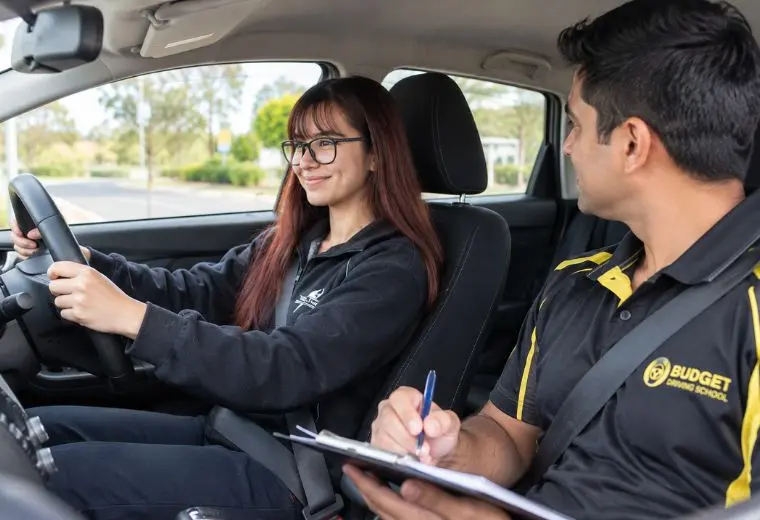
A mock driving test is a practice run of the full VicRoads drive test. Your driving instructor plays the role of the examiner. They sit in the passenger seat, give you directions, and mark you on exactly the same criteria used on test day.
The route usually covers the same streets your real test would use. Your instructor stays silent for most of it. No teaching, no hints. They watch, mark, and give you honest feedback at the end.
Think of it as a pressure test. If you can handle the mock, you can handle the real one.
What Happens During a Mock Driving Test
A mock test runs almost identically to the real VicRoads drive test. The structure, timing, and assessment all match. You can see the official assessment criteria on the VicRoads drive test page.
Here is what you can expect:
- Vehicle readiness check: Before moving off, you demonstrate that you can operate specific controls the examiner asks about. These typically include the horn, indicators, hazard lights, headlights, brake lights, handbrake, windscreen wipers and washers, and front and rear demisters. You also confirm the vehicle is roadworthy and show you understand basic safety checks.
- Stage 1 drive: You drive through quieter residential streets at 50 km/h for around 15 minutes. The instructor marks you on observation, lane position, speed control, and basic manoeuvres like a three-point turn or reverse parallel park.
- Stage 2 drive: If you pass Stage 1, you move to busier main roads at 60 to 80 km/h for another 15 minutes. This section tests merging, lane changes, speed transitions, and decision-making in heavier traffic.
- Debrief and feedback: Your instructor goes through the scoring with you. They flag every error, explain why it was marked, and show you what to work on before the real test.
The whole session usually takes 60 to 90 minutes. That covers the drive itself plus the debrief at the end.
Key Benefits of Doing a Mock Driving Test
Most learners book a mock test for practice, but what they actually get is a clear picture of what is not yet test-ready.
- You experience real test pressure. The silence, the clipboard, the formal structure – it feels different from a regular lesson. A mock test exposes you to that pressure before it counts.
- You find your weak spots. Everyone has habits they do not notice. A mock test puts a spotlight on them so you can fix them.
- You learn how examiners score. The marking sheet is specific. Knowing what counts as a minor error versus an immediate fail changes how you drive.
- You get route familiarity. Mock tests usually run on the real test route. You learn the tricky roundabouts, the speed zone changes, and the intersections where learners lose marks.
- You build confidence. Nothing kills test nerves like knowing you have already done a full run and come out the other side.
Expert tip: Book your mock test one to two weeks before your real VicRoads test. That gives you enough time to work on the issues your instructor flags, without the gap being so long you lose sharpness.
What Your Instructor Looks For
Your instructor marks you on the same categories a VicRoads examiner uses. Here are the main ones:
- Observation and head checks: Mirror checks, blind spot checks, and scanning intersections. Missing these is one of the most common reasons learners fail.
- Speed management: Driving to the posted limit, adjusting for conditions, and reacting to speed zone changes promptly.
- Lane position and vehicle control: Staying centred in your lane, smooth steering, and controlled braking and acceleration.
- Road rule compliance: Giving way correctly, stopping fully at stop signs, obeying traffic lights, and signalling properly.
- Decision-making: Choosing safe gaps, judging when to proceed at intersections, and responding to other road users.
- Manoeuvres: Reverse parallel park, three-point turn, and hill start if required. The examiner marks you on control, observation, and finished position.
Common Mistakes a Mock Test Reveals
Learners who skip the mock test often make the same mistakes on test day. A mock test catches these early:
- Rolling through stop signs instead of coming to a full stop.
- Forgetting head checks before changing lanes or merging.
- Driving under the speed limit, which examiners mark as poor speed management.
- Hesitating at roundabouts or taking an unsafe gap.
- Drifting out of the lane on wider roads or during turns.
- Missing a pedestrian at a marked crossing.
- Over-steering during the reverse parallel park.
Important: A mock test only helps if your instructor gives you honest feedback. If every mock test ends with “you did great,” you are not getting a real assessment. Ask for a scored sheet and specific examples.
How Many Mock Tests Should You Do?
Most learners benefit from one or two mock tests. The first one shows you where you are. The second confirms you have fixed the issues.
If your first mock test goes badly, do not panic. That is exactly what it is for. Work through the feedback with your instructor, book a few more lessons, and try another mock test before your real one.
If your first mock goes well with only minor issues, you are probably ready. One mock test is usually enough in that case.
How to Make the Most of Your Mock Driving Test
A mock test only works if you treat it like the real thing. Follow these steps to get the most out of yours:
- Book it at the right time. A mock test is most useful once you have the basics down and your instructor thinks you are close to test-ready.
- Use the same car you will take to the real test. Different cars have different pedal feel, mirror positions, and visibility. Stick to one.
- Treat it as the real test. Do not ask questions mid-drive. Do not expect hints. The whole point is to simulate test-day conditions.
- Take notes during the debrief. Write down every error your instructor flags, along with the fix. You will forget half of it otherwise.
- Fix the specific issues before test day. Do not just do more general lessons. Target the exact mistakes the mock test revealed.
Expert tip: Film your mock test on your phone if you can (dash mount, not holding it). Watching yourself drive is a brutal but effective way to spot habits you did not know you had.
Mock Driving Test vs the Real VicRoads Drive Test
The two tests are almost identical in structure and assessment. A few things differ:
- Examiner: A VicRoads examiner on test day, your instructor during a mock. VicRoads examiners are more formal and strict.
- Pressure: The real test feels higher stakes because the outcome counts. A mock test still has pressure, just less of it.
- Feedback: You get detailed feedback at the end of a mock. On the real test, you get a pass or fail with limited explanation.
- Cost: A mock test costs the price of a regular lesson or slightly more. The real test has a separate VicRoads booking fee.
Everything else – the route, the marking criteria, the manoeuvres, the two-stage structure – stays the same.
Ready to Book a Mock Driving Test?
Budget Driving School offers mock driving tests across Melbourne’s south-east. Our instructors use the same routes as the local VicRoads test centres.
If you are preparing for your driving test in Pakenham or any of the surrounding test centres, book a mock test with an instructor who knows the route. You will walk into your real test knowing exactly what to expect.
Conclusion
A mock driving test is the closest thing to the real VicRoads test you can do before the day. It shows you what still needs work, gets you used to the pressure, and leaves you with a specific list of things to address before you book in.
If you are serious about passing the first time, book one. One or two mock tests, honest feedback, and a few targeted lessons after will put you in the best possible position on test day.
FAQs
How long does a mock driving test take?
Usually 60 to 90 minutes. The drive itself takes around 30 to 40 minutes, with the rest spent on the vehicle check, debrief, and feedback.
How much does a mock driving test cost?
Mock tests typically cost the same as a regular driving lesson or a little more. Prices vary by instructor and location, so check with your driving school.
Is a mock driving test the same as a real VicRoads test?
The structure, route, and marking are the same. The main difference is who assesses you – your instructor during a mock test, a VicRoads examiner on the real day.
When should I do my mock driving test?
Book it one to two weeks before your real test. That gives you time to fix any issues your instructor flags without losing the sharpness you have built.
What if I fail my mock driving test?
That is exactly what a mock test is for. Work through the feedback with your instructor, book a few more lessons on the problem areas, and consider another mock test before you take the real one.
Do I need to do a mock test if I feel ready?
You do not have to, but it is strongly recommended. Even confident learners find mock tests useful because they reveal small habits you may not notice in regular lessons.