

Understanding traffic rules and road signs is key to staying safe on Australian roads. Whether you’re a new driver or a seasoned motorist, knowing how to follow these rules and recognise signs can make your journeys smoother and less stressful. Plus, it helps keep everyone safe — including pedestrians, cyclists, and other drivers.
Basic Traffic Rules You Must Know
Driving on the Left
In Australia, we drive on the left side of the road. This affects how you approach intersections, roundabouts, and overtaking. Always keep left unless passing.
Seatbelt Safety
Seatbelts are compulsory for everyone in the vehicle. Wearing one isn’t just about avoiding fines — it saves lives. Make sure all passengers are buckled up before moving.
Speed Limits
Speed limits vary by area. Usually, it’s 50 km/h in suburbs and towns, and around 100 km/h or more on highways and rural roads. Watch for changes near schools or roadworks.
Mobile Phone Use
Using a hand-held mobile phone while driving is illegal. It’s tempting to check messages or calls, but it’s not worth the risk or fines. Pull over safely if you need to use your phone.
Alcohol and Drug Driving
Driving under the influence of alcohol or drugs is banned and carries severe penalties. Always arrange a sober driver or alternative transport if you’re drinking.
Giving Way Rules
At intersections, give way to vehicles coming from your right unless signs or lights say otherwise. This simple rule helps prevent accidents.
Red Traffic Lights
Stop completely at a red light and wait for it to turn green. Running a red light is dangerous and illegal.
Following Directions from Police or Traffic Controllers
If police or traffic controllers direct traffic, always obey their instructions, even if they differ from usual rules. They ensure safety in tricky situations.
CHECK OUR DRIVING LESSONS:
- Automatic Driving Lessons in Melbourne
- Manual Driving Lessons in Melbourne
- Manual Driving Lessons in Pakenham
- Automatic Driving Lessons in Pakenham
What Road Signs Mean
Regulatory Signs
These signs tell you what you must or must not do. Examples include:
- Stop Sign: Octagon-shaped, red with white text; requires a full stop before proceeding.
- Give Way Sign: Inverted triangle with red border; slow down and give way if needed.
- Speed Limit Sign: White circle with black number showing maximum speed allowed.
- No Entry Sign: Red circle with white horizontal bar; means no vehicles allowed in.
Some regulatory signs mark lanes for certain vehicles, such as bicycle lanes or bus lanes, which you must respect.
Warning Signs
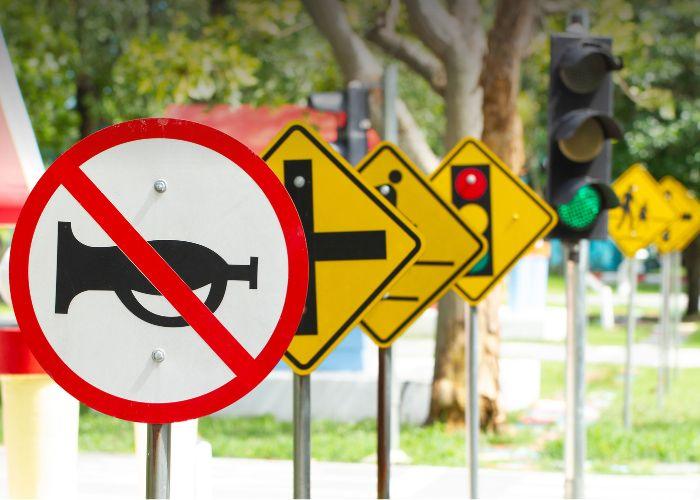
Warning signs alert you to hazards ahead, often in yellow diamond shapes with black symbols. They prepare you for things like:
- Sharp bends
- Slippery roads
- Roadworks
- Pedestrian crossings
You might also see signs warning of wildlife crossing, like koalas, especially in rural areas.
Temporary signs appear around roadworks, indicating lane closures or speed reductions. Signs like “Detour” or “End Road Work” help you know when conditions change.
Other Important Signs
- Two-way Traffic Signs: Remind you that traffic moves both ways on a single road.
- Local Traffic Only Signs: Restrict access to residents or authorised vehicles.
- Clearway Signs: Indicate times when parking or stopping is not allowed to keep traffic flowing.
- Emergency Stopping Lanes: Should only be used if your vehicle breaks down or there’s an emergency.
Why Following Traffic Rules and Signs Matters
Think of traffic rules and road signs as more than just a test requirement. They’re the foundation of road safety — for you, your passengers, and every driver around you. By obeying these guidelines, you’re not only minimizing the risk of accidents but also ensuring smoother traffic flow and saving yourself from fines or penalties. It’s about creating a safer and more efficient driving experience for everyone.
Ignoring signs or rules can quickly lead to dangerous situations. A missed stop sign or running a red light can cause serious crashes. Speeding not only increases the chance of accidents but also makes injuries worse when collisions happen.
Besides safety, following traffic laws helps make the roads fair and predictable for all users. Cyclists, pedestrians, and other drivers all rely on everyone sticking to the same rules. When everyone does their part, the roads become less stressful and more enjoyable to use.
So, it’s not just about rules on paper — it’s about respect, responsibility, and protecting lives every time you get behind the wheel.
Final Words
Traffic rules and road signs are there for a good reason — to keep everyone safe and help traffic run smoothly. Knowing what the signs mean and following the rules makes driving less stressful and reduces accidents. Whether you’re a new driver or have been on the road for years, it’s always important to stay alert and respect the rules.
Remember, safe driving isn’t just about protecting yourself — it’s about looking out for everyone around you. So take the time to understand the signs and rules, drive carefully, and enjoy the journey. After all, arriving safely is the best destination.
FAQs
Q: What should I do if I see a stop sign at an intersection?
A: You must come to a complete stop, check for other vehicles and pedestrians, and only proceed when it’s safe.
Q: Can I use my mobile phone if it’s hands-free while driving?
A: Yes, hands-free use is allowed, but it’s best to keep your focus on the road and avoid distractions.
Q: How do I know when to give way at an intersection?
A: Generally, give way to vehicles coming from your right, unless signs or signals indicate otherwise.
Q: What does a yellow diamond-shaped sign mean?
A: It’s a warning sign, alerting you to potential hazards like sharp bends, animals crossing, or roadworks ahead.
Q: What happens if I ignore a no-entry sign?
A: You risk fines and may cause accidents since the road could be closed or dangerous for traffic.
Helpful Links: