

Switching from automatic to manual driving can feel challenging. Maybe you started with an easier automatic licence, but now want more vehicle options, or need the skills for driving abroad. Most importantly, learning a manual is still a valuable skill, as around 70 per cent of cars worldwide are manual.
Automatic-to-manual lessons are designed for drivers who already have experience in an automatic car and want to learn manual control. This is common for learners seeking greater flexibility, or for those with an automatic-only licence looking to upgrade.
These lessons build on your existing road knowledge, so you aren’t starting from scratch. In a structured training, most drivers adapt more quickly than they expect and gain useful, long-term flexibility.
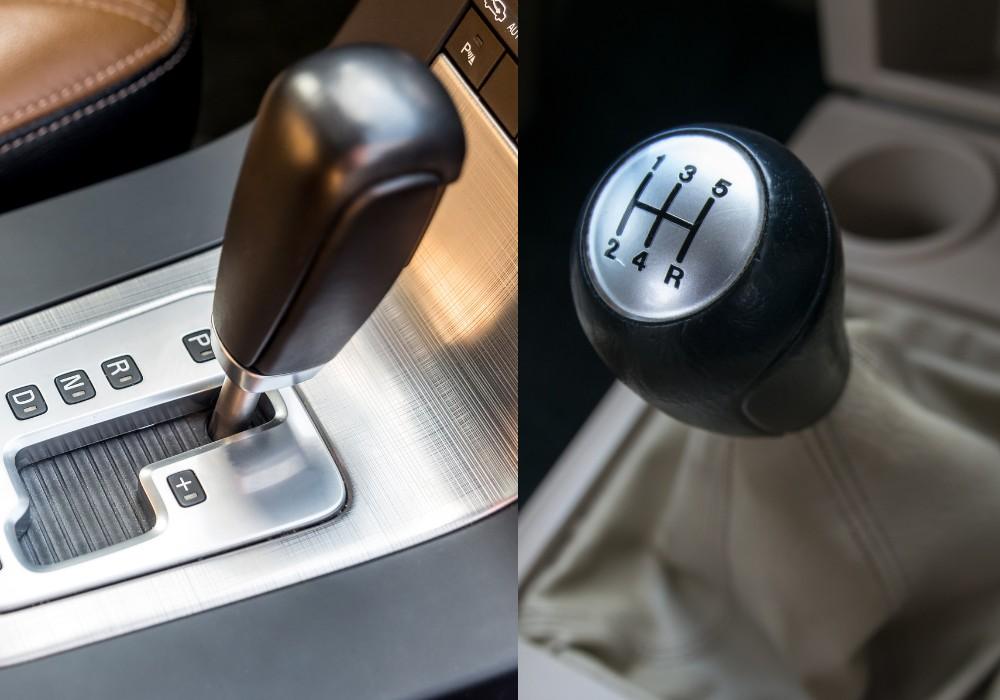
Step-By-Step Lesson Plan for Automatic to Manual Driving Lessons
Here we explained each step of the manual driving lesson. Once you complete your manual driving training, shifting gears will feel like second nature. You will learn full vehicle control, stronger coordination, and the freedom to drive both manual and automatic cars.
Manual Driving Curriculum
Usually, lessons for switching focus primarily on the mechanics of the manual transmission. Instructors typically cover:
- Clutch Control and Biting Point
- Smooth Gear Shifting
- Hill starts and stop-start traffic
- Engine Braking
- Stalling recovery
- Manual car control in real traffic
We break this skill into three clear phases. You will move from the basics to real-world driving, building confidence at each stage. Most learners follow this path for over 10-15 hours of lessons.
Our automatic-to-manual driving lessons in Melbourne focus on building practical control skills. If you already understand traffic rules and road awareness. Now you learn how to manage a manual car precisely.
Clutch Control and Biting Point
You start with clutch control. Your instructor teaches you how to find the biting point and move off smoothly. This step forms the foundation of manual driving. Most beginners stall during early practice, but structured training reduces stalling quickly. Strong clutch control improves comfort and prevents unnecessary wear on the vehicle.
Smooth Gear Changing
Next, you learn when and how to change gears based on speed and engine sound. Proper gear timing keeps the engine running efficiently and reduces strain. Studies on fuel performance show that correct gear use can improve fuel economy and extend engine life. With practice, gear changes become automatic rather than forced.
Hill Starts and Slope Control
Hill starts are essential, especially in busy city areas. You learn how to move off safely on inclines without rolling back. Instructors teach both handbrake and foot control techniques. Mastering this skill builds confidence quickly and prepares you for real traffic conditions.
Driving in Stop-Start Traffic
Manual cars require more coordination in heavy traffic. You practice balancing clutch and brake control in slow-moving conditions. This improves timing and foot control. Regular repetition helps you stay calm and steady in crowded areas.
Stalling and Recovery Techniques
Stalling is common when learning a manual. Instead of fearing it, you learn how to recover safely and restart the engine without panic. Modern driving instruction focuses on confidence and control rather than perfection.
Real Traffic Application
As you improve, lessons move into real-world scenarios. You handle junctions, roundabouts, lane changes, and higher-speed roads. The goal is to combine manual control with full road awareness.
Differences Between Automatic and Manual Transmissions
Before you switch, you need to know the difference between these two kinds of driving.
| Aspect | Automatic | Manual |
| Gear Shifting | Car handles it automatically | You press the clutch and move the stick |
| Pedals | Two: brake and accelerator | Three: clutch, brake, accelerator |
| Fuel Efficiency | Often matches or beats manuals now | Can save 2-5% fuel with skilled use |
| Control | Less input from the driver | You decide gears for better power |
| Learning Curve | Simpler for starters | Builds coordination skills |
Who Should Consider Switching to Manual Driving Lessons
If your priority is flexibility, affordability, career growth, or stronger driving control, switching from automatic to manual is a practical decision.
• Learners Who Want More Driving Options
If you started learning in an automatic car, you may want more flexibility. A manual licence allows you to drive both manual and automatic vehicles. An automatic licence restricts you to automatic cars only. This difference matters when renting a car, borrowing from family or friends, or shopping for your first vehicle. In many used car markets, manual models are more widely available and often more affordable.
• Drivers Who Need Manual Skills for Work
Some jobs require manual driving as a basic condition. Delivery services, construction roles, field technicians, and trade professionals often use manual vans and fleet vehicles. In the UK, many company cars and light commercial vehicles are still manual because they cost less to purchase and maintain. If your career path may involve driving, manual skills can increase job opportunities.
• People Moving or Travelling Abroad
Manual cars dominate in many parts of the world. In Europe, South America, and large parts of Asia, manual transmission vehicles make up a significant share of the market. Rental companies in these regions often charge higher rates for automatic vehicles due to limited supply. Knowing how to drive a manual gives you more rental options and avoids extra costs.
• Cost-Conscious Drivers
Manual cars typically cost less to buy compared to automatic versions of the same model. Maintenance expenses are also generally lower. Manual transmissions have fewer complex components, which reduces repair costs over time. For drivers focused on long-term savings, this can make a measurable difference.
• Drivers Who Want More Control and Confidence
Manual driving requires active control of the gears and clutch. This improves coordination and engine awareness. Many drivers report feeling more in control of speed and vehicle response, especially on steep roads or in challenging weather conditions. Learning manual can strengthen overall driving confidence.
The Core Differences Based on Car Control
In a manual car, you need to manage the clutch and gears yourself. This adds one more task compared to automatic, but it does not mean starting from zero. If you already drive an automatic, you understand steering, braking, road signs, and traffic flow. These skills transfer directly to manual driving.
| What You Do | In Your Automatic Car | In a Manual Car |
| To Go Forward | Select ‘D’ and press the accelerator. | Press the clutch, select 1st gear, find the bite point, then accelerate. |
| To Change Speed | The car handles gear changes. | You decide when to shift up or down for optimal power and efficiency. |
| At a Stop Light | Keep your foot on the brake. | Shift to Neutral and release the clutch. |
| On a Steep Hill | The car prevents rollback. | You use the handbrake and clutch coordination to hold position. |
Benefits of Learning Manual After Automatic and Why Switch to Manual?
Learning manual after automatic is not just about preference. It improves flexibility, reduces costs, and expands both personal and professional driving opportunities.
Versatility
A manual licence allows you to drive both manual and automatic vehicles. Most of the times regulations require drivers who take their test in an automatic car remain restricted to automatic vehicles. Passing in a manual removes that limitation and gives full driving access.
Stronger Driving Skills
Manual driving keeps you actively engaged. You control gear changes and engine speed, which improves awareness and coordination. Research indicates that manual drivers may react 10 to 15 per cent faster in emergencies because they stay more focused on vehicle response and road conditions.
Cost Savings
Manual cars usually cost 10 to 20 per cent less than automatic versions of the same model. They also have simpler transmission systems, which reduces repair costs. Real-world testing shows that manual vehicles can deliver up to 5 per cent better fuel efficiency compared to traditional automatic systems.
More Control on the Road
Manual driving allows you to downshift for quicker acceleration or use engine braking on slopes. Engine braking can reduce brake wear by up to 20 per cent, lowering long-term maintenance costs and improving vehicle control on descents.
Career Advantage
Beyond the drive, many trades and logistics companies still use manual fleets, so it’s a smart career move. Industries such as logistics, delivery services, and tourism rely heavily on manual vehicles. So, having manual driving skills increases job opportunities and removes employment restrictions linked to automatic-only licences.
Common Mistakes Learners Make When Switching
Switching from automatic to manual lessons requires adjustment. When you stay aware of these common mistakes, you build better habits from the start. This makes the transition smoother, safer, and more efficient.
Riding the Clutch
Many new manual drivers keep their foot lightly pressed on the clutch while driving. This habit causes premature clutch wear and reduces vehicle control. Mechanics report that improper clutch use is one of the leading causes of early clutch replacement. Use the clutch only when starting the car or changing gears. Keep your foot fully off the pedal while moving.
Overthinking Gear Changes
Some drivers focus too much on selecting the perfect gear. This tension leads to jerky driving or late gear shifts. Instead, listen to the engine and practice regularly. With repetition, gear changes become natural through muscle memory rather than conscious effort.
Expecting Instant Smoothness
Drivers often compare their early manual performance to their automatic driving experience. This creates unnecessary pressure. Manual driving is a coordination skill. Small stalls or rough starts are part of the learning process and improve with practice.
Weak Hill-Start Technique
Sometimes, thehill starts challenge to many learners. Rolling back or stalling usually happens due to releasing the clutch too quickly or hesitating too much. You need to practice handbrake control and clutch balance under instructor supervision to solve this problem efficiently.
Inconsistent Practice
Irregular lessons can slow learning progress. Driving instructors consistently observe faster improvement when learners practice weekly rather than occasionally. Short, consistent sessions help develop muscle memory and reduce errors.
We Help You Transition from Automatic to Manual Driving Lessons
Budget Driving School Melbourne specialises in helping drivers confidently switch from automatic to manual. Our lessons are designed specifically for learners who already understand the road but need structured guidance to master clutch control and gear changes.
• Experienced in Automatic to Manual Training
Our instructors have helped many drivers transition from automatic to manual vehicles. We understand the common challenges, including stalling, clutch balance, and hill starts. Instead of treating you like a beginner, we build on your existing driving experience and focus only on the skills you need to develop.
• Calm, Patient, and Supportive Instructors
Learning a manual can feel frustrating in the first few lessons. Our instructors stay patient and focused on steady progress. We create a supportive learning environment so you can gain confidence without pressure. Our goal is not just to help you pass a test, but to help you drive smoothly and safely.
• Structured Step-by-Step Lesson Plan
We follow a clear training structure. You start with clutch control and finding the biting point in quiet streets. Then you move to smooth gear changes, hill starts, and stop-start traffic. Once you feel confident, we introduce busier roads and real traffic conditions. This step-by-step approach ensures steady progress.
• Flexible Lesson Locations Across Melbourne
We begin in low-traffic areas to help you build control without stress. As your confidence grows, we gradually introduce more complex driving situations. We tailor each lesson to your skill level so you improve efficiently.
• Trusted by Local Learners
Many of our students come through referrals and positive reviews. Drivers who switched from automatic to manual with us often highlight our clear instructions, supportive approach, and structured training style.
| Looking for patient instructors who specialise in automatic to manual transitions? Our experienced Melbourne instructors are ready to help you switch with confidence. We focus on calm, structured lessons that make clutch control and gear changes easier to master. Book now to secure your manual driving lesson or call us today to speak directly with our team and get started. Book Now || Call Us |